Introduction
Wound care is a complex field that has actually amassed increasing interest in the last few years. Whether it's treating a straightforward abrasion or managing facility, chronic injuries, the principles of reliable injury treatment are critical for making sure patient safety and security and promoting healing. The value of specialized training for healthcare providers can not be overemphasized, as it forms the structure whereupon high quality treatment is built. This article will certainly explore the different aspects of wound care management, concentrating on just how linking concept with functional training can boost outcomes for patients.
Wound Care and Monitoring: Linking Theory and Method With Training
In today's healthcare setting, the demand for proficient experts in injury care is on the increase. With a maturing populace and an increase in persistent conditions like diabetic issues, recognizing the details of wound healing comes to be vital. Wound care management requires not just understanding but likewise hands-on abilities that can only be developed through strenuous training programs.
The Duty of Wound Treatment Specialists
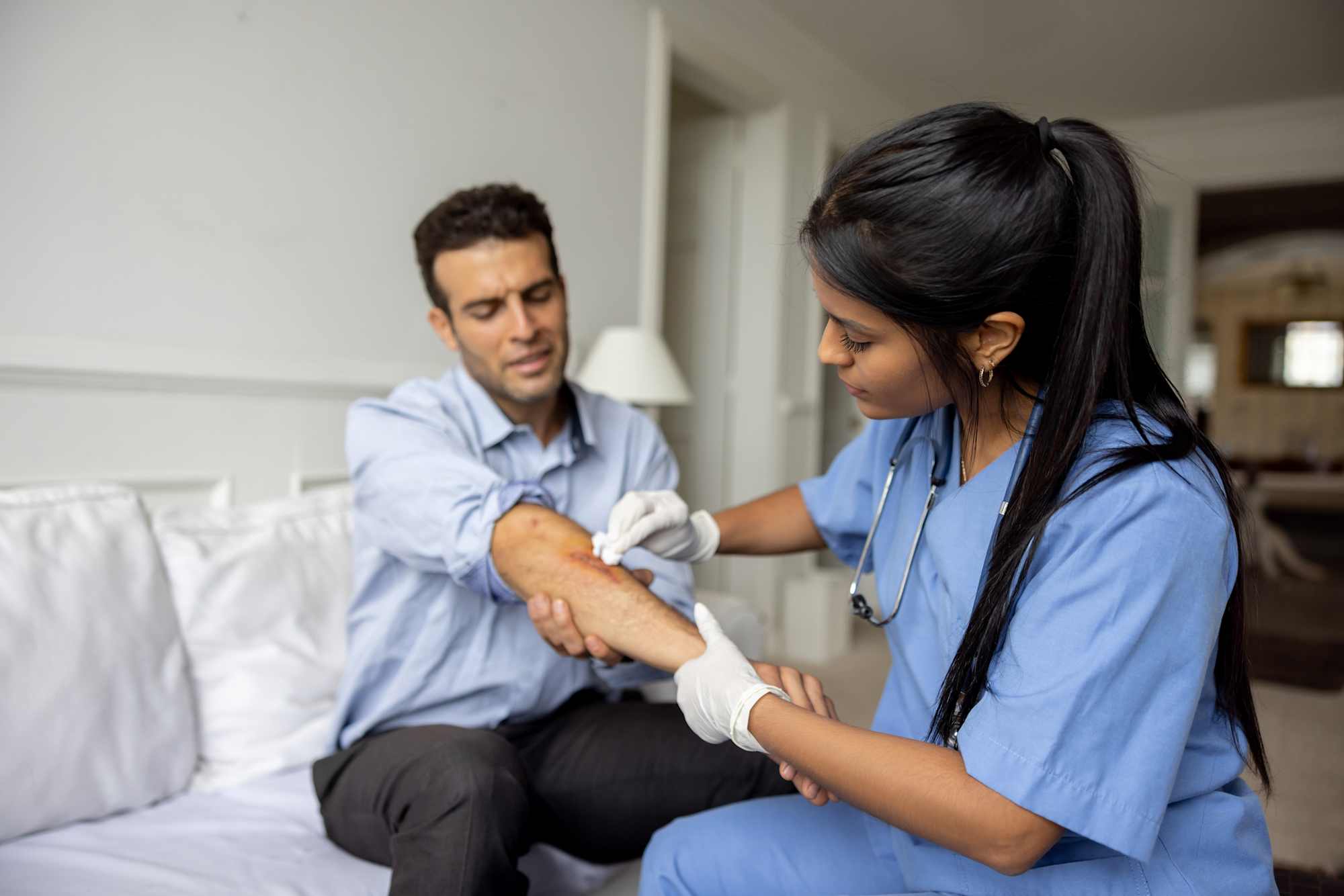
Wound treatment professionals are healthcare professionals who focus on assessing, managing, and treating injuries. These experts possess sophisticated expertise in composition, physiology, and pathology pertaining to skin honesty nursing wound care training and recovery procedures. Their function prolongs beyond mere treatment; they inform other medical care staff regarding best techniques in wound management.
Importance of Wound Care Specialist Training
Training programs focused on creating skilled injury care professionals are essential. They use detailed education and learning covering everything from standard wound treatment principles to advanced methods for taking care of intricate cases. Such training guarantees that specialists stay updated with evidence-based practices-- ultimately causing enhanced client outcomes.
Types of Wound Care Training Available
- Basic Injury Care Training Basic wound care training works as an intro to crucial principles in wound administration. It covers topics such as sorts of wounds, first analysis methods, infection control measures, and dressing techniques. Wound Treatment Nurse Training Specializing additionally right into nursing duties, this kind of training concentrates on incorporating nursing fundamentals with certain injury treatment methods. Registered nurses find out exactly how to analyze injuries successfully while considering total individual health. Advanced Wound Care Training Courses For those looking to specialize also further, progressed programs supply extensive understanding concerning complex injuries and persistent wound administration strategies.
Elements of Reliable Wound Treatment Management
To effectively take care of injuries, several core components must be taken into consideration:
Assessment: Understanding the type and intensity of an injury is crucial for figuring out the proper therapy plan. Treatment Strategy Growth: Selecting suitable dressings or therapies based on scientific evidence. Patient Education and learning: Supplying information concerning self-care techniques to promote healing. Ongoing Tracking: Consistently assessing the wound's development assists recognize any kind of difficulties early.Chronic Wound Treatment Management
Chronic wounds present unique obstacles as a result of their long term nature. Conditions such as venous stasis abscess or diabetic foot abscess call for specialized knowledge in taking care of these complex situations effectively.
Complex Injury Treatment Scenarios
Managing complex wounds commonly involves multidisciplinary groups comprising physicians, nurses, nutritionists, and physiotherapists-- all functioning collaboratively in the direction of usual goals.

Nursing Wound Care Training: A Foundation of Patient Safety
Nursing plays an important role in patient-centered treatment; hence, ample training specifically focused on nursing wound treatment is vital. Right here's why:
- Comprehensive Skills Development: Nurses equipped with specialized abilities can better analyze individuals' needs. Enhanced Communication: Proper training promotes efficient communication amongst staff member regarding ideal practices. Improved Individual End results: Evidence reveals that skilled registered nurses contribute dramatically to better healing rates.
Wound Treatment Training Courses Overview
Many institutions provide a range of courses customized for different levels of experience:
|Program Type|Duration|Target Audience|| -------------------------------------|-----------------|--------------------------------|| Basic Injury Care|1 day|New Healthcare Professionals|| Intermediate Injury Monitoring|2 days|Knowledgeable Registered nurses|| Advanced Complex Wounds|3 days|Specialized Clinicians|| Online Certification|Self-paced|All Healthcare Providers|
NDIS Wound Treatment: Meeting Unique Needs
The National Disability Insurance policy Plan (NDIS) provides financing for people requiring assistance with day-to-day activities-- consisting of those needing specialized wound treatment services. Trained professionals play a vital role in providing top quality treatment customized to private demands under this scheme.
Why Choose Professional Injury Care Training?
Investing time right into specialist training equates into tangible advantages:
- Increases your employability within health care settings. Enhances your capability to provide evidence-based individual education. Improves career satisfaction by encouraging you with crucial skills.
FAQs Concerning Injury Care Management
1. What does basic wound care training involve?
Basic wound care training typically includes topics like types of injuries, evaluation methods, infection control procedures, and clothing changes.
2. How long does it take to become a certified wound treatment specialist?
The duration varies by program however generally ranges from several weeks to months depending on the depth and breadth of the program offered.
3. Are on-line training courses readily available for nurses thinking about focusing on injury care?
4. What credentials do I need to sign up in advanced wound treatment courses?
Requirements usually consist of a nursing degree or equal health care qualification along with some experience in straight person treatment settings.
5. Just how vital is ongoing education and learning in maintaining skills as an injury treatment specialist?
Continuous education is vital as a result of consistent advancements in clinical research study and modern technology pertaining to reliable treatments and therapies.
6. Can I work as an area registered nurse without formalized training in persistent or intricate wounds?
While it's possible to work without formalized training especially concentrated on these locations, having specialized expertise considerably enhances your capacities when providing high-quality patient-centered care.
Conclusion
As we venture deeper into a period defined by advancements in medical care innovations along with evolving client demands-- a robust structure surrounding effective wound administration becomes crucial. The significance placed on proper education and learning through organized programs can not be taken too lightly; they offer not just as insightful sessions however likewise pave pathways towards quality within scientific techniques involving diverse populations throughout different settings.
Through regular efforts towards bridging concept with technique-- especially with specialized trainings like those offered for registered nurses-- injured clients receive holistic support tailored particularly around their requirements while promoting optimal healing trips free from unnecessary complications!
By focusing on continuous improvement via education and learning around "Wound Care and Management: Bridging Theory and Practice Via Training," we can jointly promote settings where both people grow under capable hands-- and specialists continue to be prepared versus arising obstacles ahead!